




Hotels built on isolation never suited digital nomads or remote workers. The traditional hotel model—arrive, check in, retreat to room, depart—assumed guests wanted separation from other people. Modern travel reality contradicts this assumption. Digital nomads, remote workers, and community-minded travelers require spaces where work integrates seamlessly with leisure, where optional social connection enriches rather than interrupts, and where accommodation supports flexible temporal commitment. The Social Hub inverted traditional hotel design around this insight. Rather than designing guest rooms as escape pods, the brand created properties where common spaces drive the entire guest experience. Lounges function simultaneously as work zones. Bars facilitate genuine social connection. Dining areas become community hubs. This integrated design makes The Social Hub genuinely appealing for anyone traveling with intention beyond pure room rental. The brand succeeds by recognizing that contemporary travel demands different accommodation philosophy than what 20th-century hotels provided.
Co-Working Infrastructure as Core Property Design
Hotels attempting to serve remote workers typically add cramped desk space somewhere in standard rooms, treating workspace as afterthought rather than primary function. The Social Hub prioritizes co-working infrastructure at the property design stage. Dedicated work zones feature reliable high-speed internet with redundancy, professional furniture supporting proper ergonomics, optimal lighting preventing eye strain, and abundant power access exceeding standard hotel desk requirements. These spaces accommodate both focus-intensive work demanding deep concentration and collaborative projects benefiting from flexibility. Digital nomads recognize the difference immediately when they arrive. Proper workspace eliminates the frustration of compromised internet speed, inadequate desk ergonomics creating back pain, or environmental distractions derailing concentration. Your workday is productive not because you are disciplined but because the space itself supports productive work rather than working around accommodation limitations. For someone billing hourly or managing client deliverables, this infrastructure difference directly impacts income and project success.
Curated Social Spaces Without Mandatory Engagement
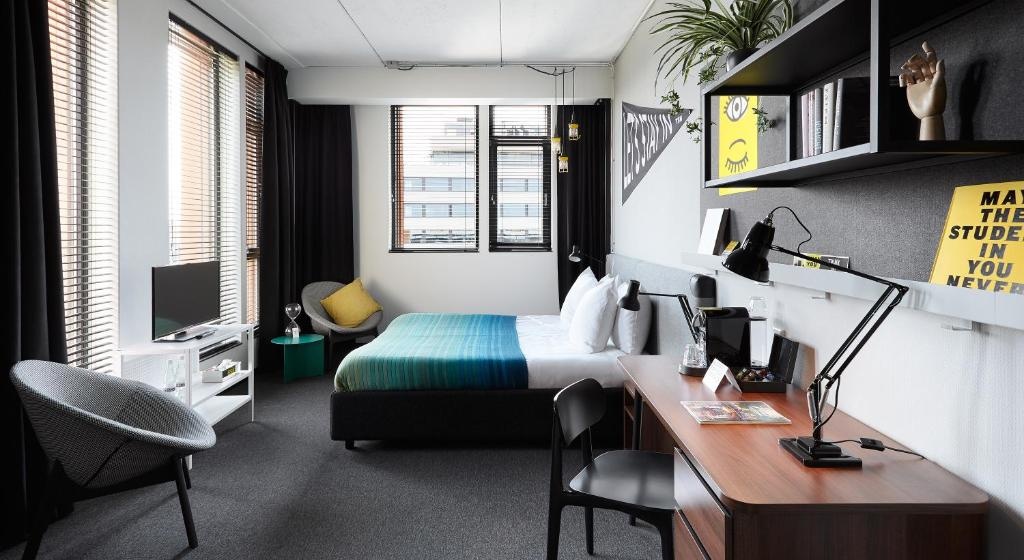
Community-focused design risks becoming claustrophobic if property design mandates constant social engagement. The Social Hub navigates this balance through carefully designed optional social spaces. Common areas feel naturally social without forcing participation. Guests naturally gravitate toward bar seating, lounge conversation areas, and communal dining tables without obligation to participate. Someone preferring solitude can work alone in dedicated zones without encountering intrusive social pressure or feeling excluded. This optionality transforms community from something imposed into something available. You are not required to be social; you are simply accommodated if you want to be. The brand serves genuine community by making connection possible without making it mandatory for anyone preferring solitude or introversion.
Contemporary Design Philosophy Reflecting Modern Aesthetics
Modern travelers increasingly prefer design reflecting contemporary sensibilities over dated hotel formality. The Social Hub properties feature deliberately contemporary aesthetic—clean lines, thoughtful material selection, functional furnishings, contemporary art, spaces feeling more residential than institutional. This aesthetic resonates immediately with younger travelers and remote workers accustomed to design-forward living spaces. You are not staying in hotel that resembles 1990s corporate accommodation with floral patterns and dark wood. You are staying in property designed intentionally for modern living. This attention to contemporary design combined with genuine functionality makes properties feel like premium residential apartments rather than traditional hotels. The psychological impact of this design choice is profound—you feel like you are upgrading your living environment, not compromising it for travel convenience.
Strategic Location Selection in Quality Neighborhoods
Hotel chains often prioritize locations offering cheap real estate rather than locations actually valuable to guests. The Social Hub selects locations strategically—European cities where properties occupy prime neighborhoods offering walkable access to culture, dining, nightlife, and retail commerce. Rather than requiring transportation to reach anything worthwhile, guests discover quality restaurants, galleries, independent shops, and entertainment steps away. This location strategy particularly benefits travelers without cars or local transportation knowledge. Walkable neighborhoods reduce overall accommodation friction and maximize your time experiencing the destination rather than navigating transportation logistics. The Social Hub places you in communities genuinely worth exploring, transforming location from mere convenience factor into genuine experiential advantage.
Flexible Accommodation for Extended Travel
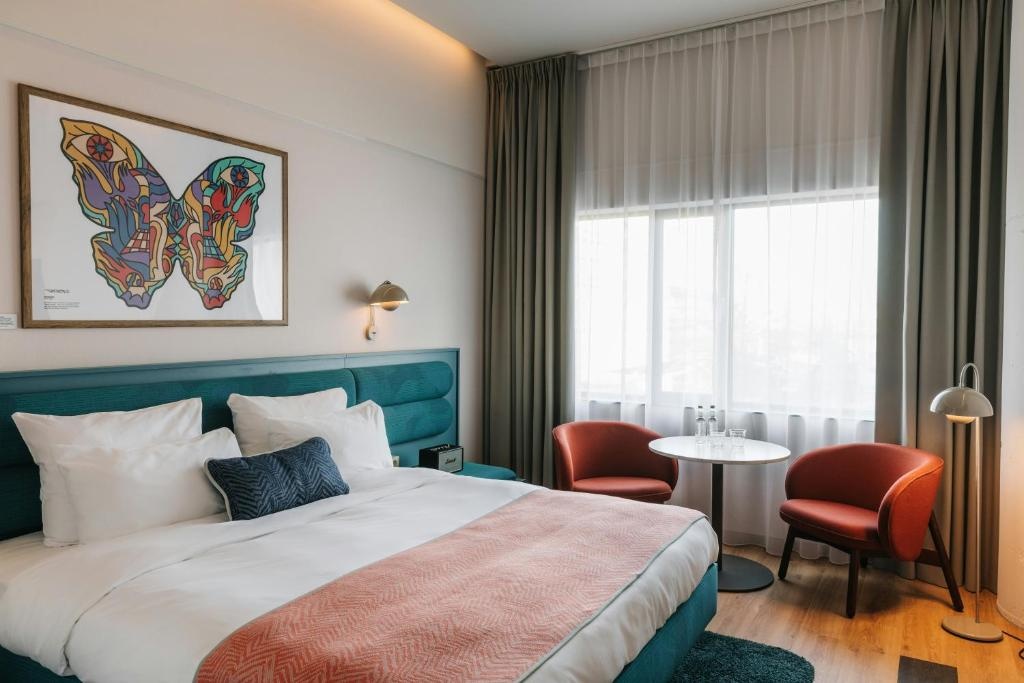
Remote workers and digital nomads increasingly book accommodations by the month rather than night, creating demand for flexibility traditional hotels never provided. The Social Hub accommodates extended-stay economics. Monthly rates substantially reduce per-night costs compared to short-stay pricing, making three-month or six-month stays financially viable. Simultaneously, the brand maintains flexibility allowing one-week or two-month stays without committing to full-year residential leases. This flexibility creates ideal conditions for working travelers evaluating different cities, people managing project-based relocations, or professionals seeking temporary housing during career transitions. You can commit confidently to month-long stays knowing you are not locked into years of lease obligation.
Authentic Community Generating Real Economic Value
Many hospitality brands reference community while delivering isolation—the word becomes marketing rather than experienced reality. The Social Hub delivers actual community through practical design enabling genuine connection. Shared meals, curated events, common work spaces, and intentionally designed social zones generate authentic interaction. Guests actually meet other travelers, exchange genuine recommendations, sometimes develop authentic friendships. This authentic community differentiates the brand substantially from isolated hotel chain experiences. You are not paying premium for the word community; you are experiencing actual community. This tangible difference drives genuine guest loyalty and distinguishes The Social Hub from generic hotel chains offering rooms and little else.
- Co-working infrastructure prioritizes remote workers through reliable internet, professional furniture, and workspace design exceeding typical hotel standards.
- Optionally social environments encourage but do not mandate community interaction, accommodating both social and solitary travelers equally.
- Contemporary design creates residential feel transforming hotel stays into lifestyle upgrades rather than accommodation compromises.
- Strategic neighborhood locations enable walkable access to culture, dining, and entertainment without transportation logistics.
- Flexible monthly pricing enables extended stays without long-term commitment, serving project-based relocations.
Modern travel demands accommodation designed around contemporary work and lifestyle realities. The Social Hub succeeds because it respects these realities through deliberate design enabling work, facilitating community, and supporting flexible temporal commitment. Rather than adapting traditional hotel models to modern needs, the brand reimagined hospitality around how contemporary travelers actually live. When you stay at The Social Hub, you upgrade to accommodation designed specifically for your lifestyle rather than compromising for generic convenience.